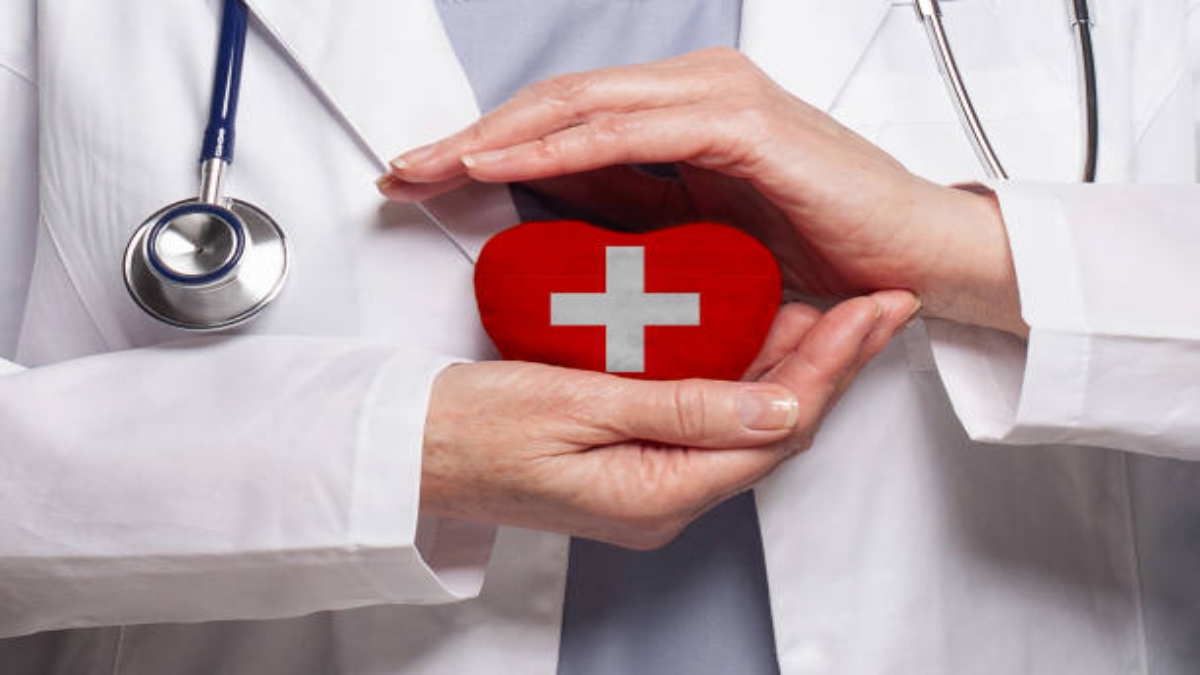

Chest pain is also one of the major early signs of heart disease.
Photo Credit: istockphoto

Cardiovascular diseases (CVDs) are a group of disorders of the heart and blood vessels, including coronary heart disease, cerebrovascular disease, peripheral arterial disease, rheumatic heart disease, congenital heart disease, deep vein thrombosis and pulmonary embolism.
Heart disease has emerged as one of the major causes of fatalities all across the globe. However, despite this several individuals do not recognise the early signs that could indicate a serious issue. Comprehending the symptoms of heart disease is vital as early detection can make huge difference in cute and outcome. Whether you are facing slight discomfort or more apparent symptoms, watching the major warning signs can save your life.
According to a report featured in World Health Organisation, “Cardiovascular diseases (CVDs) are a group of disorders of the heart and blood vessels, including coronary heart disease, cerebrovascular disease, peripheral arterial disease, rheumatic heart disease, congenital heart disease, deep vein thrombosis and pulmonary embolism. An estimated 17.9 million people died from CVDs in 2016, representing 31% of all global deaths. Of these deaths, 85% were due to heart attack and stroke.” 1
More than 75% of CVDs deaths occur in low-and middle-income nations where elevated blood pressure emerged as one of the most significant risk factors for CVDs. In 2016, India declared 63% of total deaths due to NCDs (non-communicable diseases) of which 27% were linked to CVDs. CVDs also account for 45% death in the 40 to 69 year age group, added the WHO report.
A large number of individuals feel that heart disease occurs all of a sudden in the shape of heart attack. However, in reality, the body frequently gives early signals and signs of heart disease long before a major event takes place. Some of these early signs may include dizziness, unexplained fatigue, swelling in feet or legs, shortness of breath. These symptoms may appear subtle initially but can get aggravated over time if remained unaddressed or ignored.
Chest pain is also one of the major early signs of heart disease. The discomfort, also known as angina, may feel like tightness, pressure, burning sensation in the chest, and tightness. It may take place during some physical activity or emotional pressure and may disappear with rest. While all the chest pains are not linked to the heart, any persistent or severe pain must never be ignored and should be assessed by a doctor.
Recently, leading cardiologist & functional medicine expert with 40-years of experience, Dr Alok Chopra took to his Instagram handle and shared the major warning signs of heart attack that you should never ignore. He started the post asking the question, “so how can you avoid the risk of sudden heart attack? By recognizing the early signs that your heart gives you. Here are five red flags which you must not ignore. 2
1. Chest Pain On Exertion: The cardiologist said, “it usually starts in the center of your chest, near the Solar Plexus, even though your heart sits on the left. The pain can then move upwards, first as a choking or throttling feeling in your neck and then spreading into the jaw. It can also travel to both the arms. It may come and go, but it does not make it safe. The crushing pain is called Angina. This pattern is a classic warning for Heart Artery Blockage.”
2. Breathlessness With Activity: The doctor said, it happens with peak exertion like a brisk walking or climbing stairs. The key sign is it eases off when you rest. That’s an on-and-off breathlessness, means that your heart is not getting enough blood supply.
3. Leg Swelling Or Weight Gain: Swelling in the leg or weight gain occur often due to fluid retention. This can be an early sign of heart failure, where your heart is not pumping strongly, added the doctor.
4. Low Stamina or Fatigue: Drop in stamina or unusual fatigue. If regular chores suddenly exhaust you, it may be because your heart is not delivering enough oxygen to your muscles.
5. Dizziness, Fainting, or Fast Heartbeat: Dizziness, fainting, or racing heartbeat. These rhythm disturbances can be silent killers if left unchecked.
Now these are not small inconveniences, they are warning signals. Catch them early, act quickly, and you can protect your heart and life, concluded the Dr Alok Chopra.
FAQs
What are the key early signs of heart disease to watch for?
Early signs of heart disease include chest pain on exertion, breathlessness during activity, leg swelling or unexpected weight gain, unexplained fatigue or low stamina, and symptoms like dizziness, fainting, or a fast heartbeat. Noticing these can help detect issues before a major heart event.
How can I differentiate between harmful chest pain and other types of chest discomfort?
Chest pain caused by heart issues, known as angina, typically starts near the center of the chest and can spread to the neck, jaw, or arms. It often occurs with physical or emotional stress and eases with rest. Persistent or severe chest pain should be assessed by a doctor immediately.
What is the role of breathlessness with activity in diagnosing heart problems?
Breathlessness during peak exertion, like brisk walking or climbing stairs that subsides with rest, suggests the heart may not be supplying enough blood. This on-and-off breathlessness is an important warning sign of cardiovascular issues needing medical evaluation.
Why is leg swelling or sudden weight gain a concern for heart health?
Leg swelling or rapid weight gain often results from fluid retention, which can indicate early heart failure. This means the heart is not pumping effectively, causing fluids to accumulate in tissues, especially in the lower limbs.
Are symptoms like dizziness and fast heartbeat reliable indicators of heart attack risk?
Yes, dizziness, fainting, and a racing heartbeat can signal dangerous heart rhythm disturbances. These are serious warning signs and should prompt immediate medical consultation to prevent potentially life-threatening complications.
World Health Organization|Cardiovascular diseases
Cardiologist & functional medicine expert with 40-years of experience, Dr Alok Chopra via Instagram|warning signs of heart disease
Disclaimer: This content is for general informational purposes only and should not replace professional medical advice. Always consult a qualified healthcare provider with any questions about your health or treatment options.
At marvelof.com, we spotlight the latest trends and products to keep you informed and inspired. Our coverage is editorial, not an endorsement to purchase. If you choose to shop through links in this article, whether on Amazon, Flipkart, or Myntra, marvelof.com may earn a small commission at no extra cost to you.